
Journal
Bunion Pain Relief: Do Toe Separator Socks Actually Work? (2026 Guide)
Crosscoin
09 Jul 2026 · 6 min read
Medically-informed guide. Sources include Mayo Clinic, WebMD, and a peer-reviewed systematic review published in BMJ Open. This article is for general informati…
Medically-informed guide. Sources include Mayo Clinic, WebMD, and a peer-reviewed systematic review published in BMJ Open.
This article is for general information only and is not a substitute for professional medical advice.
If you've ever dealt with a bunion, you know the pain isn't just annoying it can change the way you walk, the shoes you're able to wear, and even your posture over time. Naturally, when toe separator socks started showing up as a popular home remedy, the first question everyone asks is simple: do they actually work, or is this just another wellness trend?
Here's what the research and podiatrists actually say not just marketing claims.
What Is a Bunion, Exactly?
A bunion forms when the big toe gradually shifts inward toward the other toes, creating a bony bump on the side of the foot. According to the Mayo Clinic, common risk factors include wearing high heels or ill-fitting shoes, as well as general foot stress or injury over time.
Left unmanaged, bunions can lead to:
Swelling and tenderness around the joint
Difficulty finding comfortable, well-fitting shoes
Pain that worsens with standing or walking
Stiffness in the big toe joint
What Does the Research Actually Say?
This is where it's important to be honest rather than just make claims. Here's what credible sources say:
Mayo Clinic recommends toe spacers as part of nonsurgical bunion management. In its own patient guidance, Mayo Clinic Health System lists toe spacers alongside wider-toe-box footwear and bunion guards as practical, at-home ways to reduce pressure and ease bunion discomfort well before surgery is ever considered.
A peer-reviewed systematic review found measurable, if modest, benefit. A network meta-analysis published in BMJ Open looking at conservative (non-surgical) treatments for bunions found that toe separator wedges and similar orthotic devices can help with pain, though most existing studies are limited by small sample sizes.
Podiatrists are clear that spacers manage symptoms they don't reverse the deformity. In a WebMD feature on toe spacers, podiatrist Dr. Kevin Myer explains that a bunion is a structural change in the foot, so no spacer can permanently "fix" it on its own but used correctly, spacers can meaningfully improve comfort, balance, and toe alignment over time.
Real-world use supports this. Observational research cited in foot-health literature has found that a majority of regular toe-spacer users report noticeably less shoe-related foot pain after consistent use over several months.
The takeaway: Toe separator socks are not a cure for bunions, but they are a legitimate, low-risk, doctor-acknowledged tool for reducing pressure, easing discomfort, and supporting better toe alignment as part of your daily routine which is exactly why podiatrists recommend them as a first-line, non-surgical option rather than jumping straight to more invasive treatments.
How Toe Separator Socks Help, Practically
1. Reduced pressure on the bunion joint: Spacing the toes apart reduces overlap and crowding, a common source of daily bunion irritation.
2. Support for better toe alignment over time: Gentle, consistent stretching between the toes supports healthier toe positioning, especially alongside proper footwear.
3. Improved circulation: Toes cramped together for years in narrow shoes often have restricted blood flow; separating them supports better circulation to the forefoot.
4. Relief after a long day: Even without a diagnosed bunion, hours of standing or walking in closed shoes cause foot fatigue that toe separation helps relieve.
5. Support for related conditions: Many people managing bunions also deal with plantar fasciitis or general foot fatigue, and toe separator socks are commonly used alongside stretching and supportive footwear for both.
A Word of Caution
Both Mayo Clinic and the podiatrists cited by WebMD stress that toe spacers should be used correctly and gradually overly tight or prolonged use, especially with rigid spacers, has in rare cases been linked to pressure-related injury. Soft, breathable, sock-based spacers (rather than rigid inserts) reduce this risk, but it's still worth starting slowly and listening to your feet. If you have diabetes, poor circulation, or a severe bunion, check with a doctor or podiatrist before starting.
Who Benefits Most From Toe Separator Socks?
People with mild to moderate bunions looking for daily comfort
Anyone who stands for long hours (retail workers, nurses, teachers)
Yoga practitioners and athletes wanting better toe mobility and balance
People recovering from a long day in tight or narrow shoes
Anyone experiencing general foot fatigue, stiffness, or poor circulation
How to Use Toe Separator Socks for Best Results
Start with short sessions (20–30 minutes) if you're new to toe separation, and gradually build up wear time.
Wear them during low-impact activities like relaxing at home, yoga, or light stretching not high-impact exercise.
Pair them with proper-fitting, wide-toe-box shoes during the day, as Mayo Clinic also recommends.
Use them consistently like most alignment and posture tools, benefits build with regular use rather than a single session.
The Verdict
So, do toe separator socks actually work for bunion pain? Based on Mayo Clinic's own recommendations, peer-reviewed research, and podiatrist input yes, they genuinely help with comfort, daily relief, and supporting healthier toe positioning over time, especially for mild to moderate bunions. They're not a surgical replacement or a guaranteed fix, but as a simple, low-risk, doctor-acknowledged addition to your foot care routine, they're one of the easiest ways to give your feet real relief.
Give Your Feet the Relief They Deserve
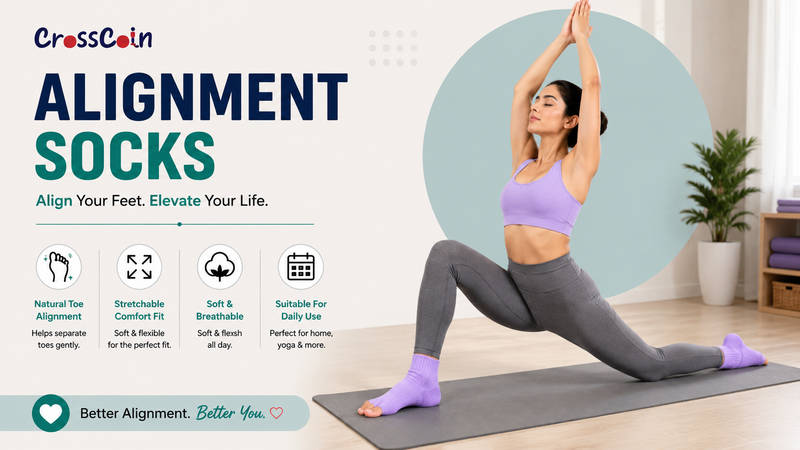
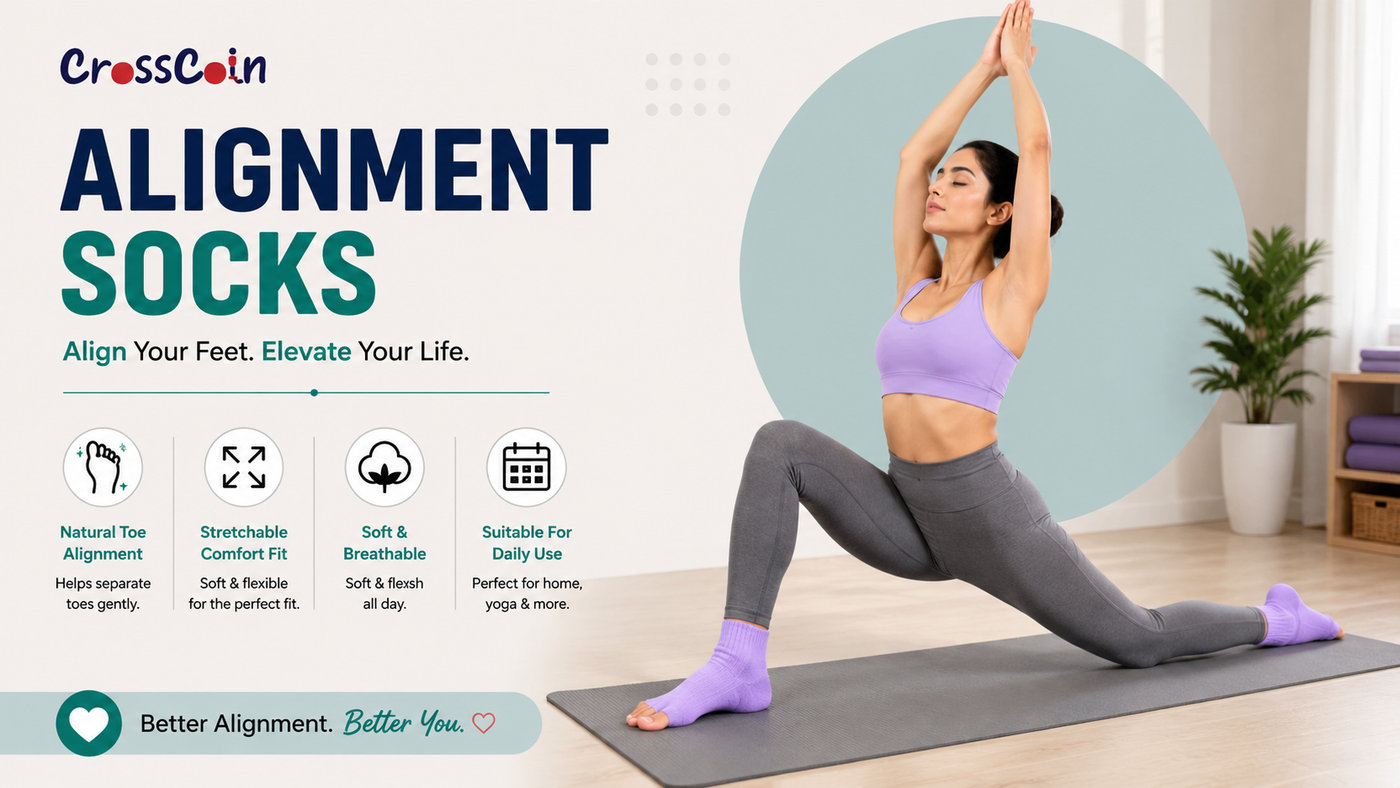
If you're ready to experience the comfort of proper toe alignment, Cross Coin® Foot Alignment Socks are designed exactly for this soft, breathable, five-toe separator socks made for bunion relief, plantar fasciitis support, and everyday foot fatigue. With a universal fit for both men and women, they're perfect for home wear, yoga, recovery, or simply unwinding after a long day.
👉 Shop Cross Coin® Foot Alignment Socks Now
Frequently Asked Questions
Do toe separator socks really help with bunions? Mayo Clinic lists toe spacers as a recommended nonsurgical option for reducing bunion pressure and discomfort, and research shows they can support better alignment and comfort though they work best for mild to moderate cases as part of a broader foot care routine.
Does research prove toe spacers fix bunions permanently? No. Podiatrists and researchers agree a bunion is a structural change that spacers alone cannot reverse but they are widely recommended for managing pain and improving daily comfort.
How long does it take to see results from toe separator socks? Most people notice comfort and relief within the first few uses, while alignment benefits build gradually with consistent, regular wear.
Can I wear toe separator socks all day? Start with shorter sessions and increase gradually. They're most commonly used during rest, yoga, or recovery rather than all-day wear under shoes.
Are toe separator socks safe for everyone? They're generally safe for most people when introduced gradually, but anyone with diabetes, circulation issues, or a severe bunion should consult a doctor before using any foot alignment product.
What's the difference between toe separator socks and rigid toe spacers? Rigid spacers are typically small foam or gel inserts placed between toes, while toe separator socks combine gentle five-toe separation with the comfort, breathability, and lower injury risk of a regular sock making them easier and safer to wear for longer periods.
Written by Crosscoin
Keep reading